
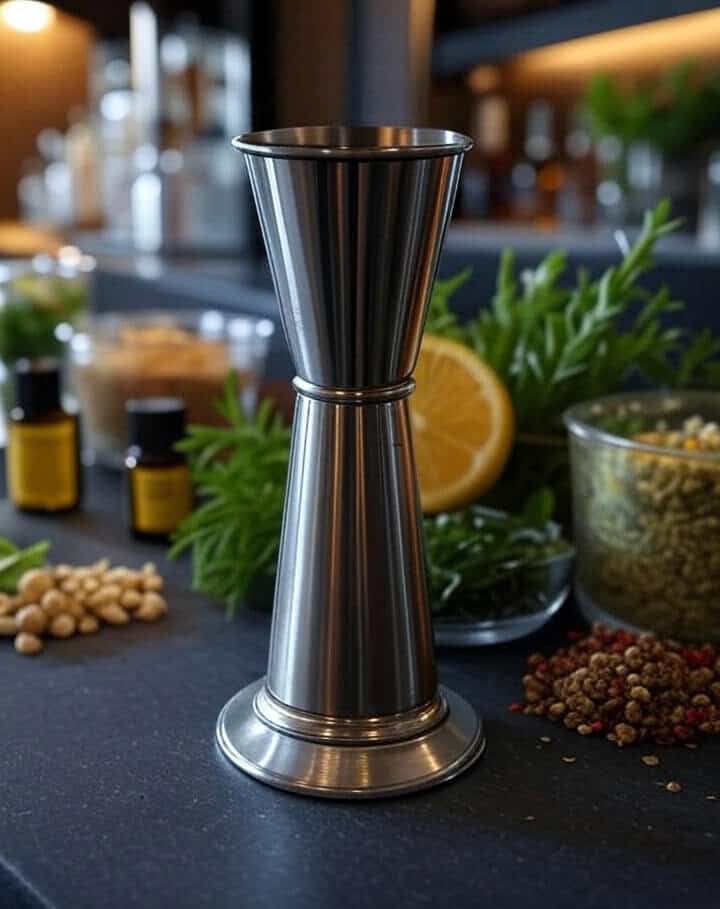
The Japanese Jigger: Why It's the Best Measuring Tool for Home Bartenders
The Japanese jigger is a tall, narrow, double-sided measuring tool used to pour exact amounts of liquid when making cocktails. It's the preferred jigger style among professional bartenders worldwide, and it's the best option for home bartenders who want consistent, balanced drinks without guessing.
If you've ever free-poured a cocktail and wondered why it tasted different every time, a Japanese jigger fixes that.
What Is a Japanese Jigger?
A Japanese jigger is a double-sided cone made from stainless steel. One side typically holds 2 oz, the other holds 1 oz. Internal measurement lines are etched at intervals (usually 1/4 oz, 1/2 oz, 3/4 oz, 1 1/4 oz, 1 1/2 oz, and 1 3/4 oz) so you can measure nearly any amount a cocktail recipe calls for.
The key difference from a standard double jigger is the shape. A Japanese jigger is taller and narrower, with a gentle taper rather than a wide flare. That narrow profile is what makes it more accurate. When the opening is smaller, being off by a millimeter means a smaller error in volume. With a wide-mouth classic jigger, a small overpour adds significantly more liquid.
The design comes from the Japanese bartending tradition, where cocktail-making is treated as a disciplined craft. Japanese bartenders are known for meticulous technique, and their tools reflect that.
Japanese Jigger vs. Other Jigger Styles
There are five common jigger styles, and each has tradeoffs.
The classic double jigger is the most common. It's squat with a wide flare on both sides. Easy to find and inexpensive, but the wide opening makes precise pours harder, especially when you're moving quickly.
The Japanese jigger is taller and narrower. The slim profile means better accuracy and less spillage. Internal markings let you measure multiple volumes without flipping. The tradeoff is that you need to form a meniscus (fill to the very top) for the full 1 oz and 2 oz measurements, which takes a little practice.
The bell jigger is a vintage-inspired style with a wider base and narrower top. It's essentially a Japanese jigger with a different look. Heavier, more stable on a counter, similar accuracy.
The multi-level jigger is a single-sided cup with stepped internal tiers at different measurement points. No flipping required and almost no spillage, but slower to use and less common.
The Oxo measuring cup is a miniature version of a kitchen measuring cup with angled internal markings. Good for beginners because you can read measurements from above. Less elegant behind a bar, but it works well.
For home bartenders making cocktails a few times a week, the Japanese jigger hits the best balance of precision, speed, and feel. It's what most professionals use, and it translates directly to home use.
How to Use a Japanese Jigger
Hold the jigger between your index and middle fingers, resting it at the knuckle. Your palm should face upward. This grip lets you empty the jigger with a simple wrist turn, which is faster and cleaner than holding it with your thumb and index finger.
Position the jigger directly over your shaker or mixing glass before you start pouring. This catches any drips.
Pour your ingredient into the jigger until the liquid forms a slight dome above the rim. That dome is the meniscus, and it's how you get an accurate full measurement with a Japanese jigger. For partial measurements, fill to the internal etched line instead.
Start with your thinnest liquids first. Spirits, then syrups, then anything thicker like purees or honey. If you pour honey first, residue clings to the inside and throws off your next measurement.
Practice with water before you use expensive spirits. Five minutes of practice builds the muscle memory you need for clean, consistent pours.
Why Measuring Matters (Even at Home)
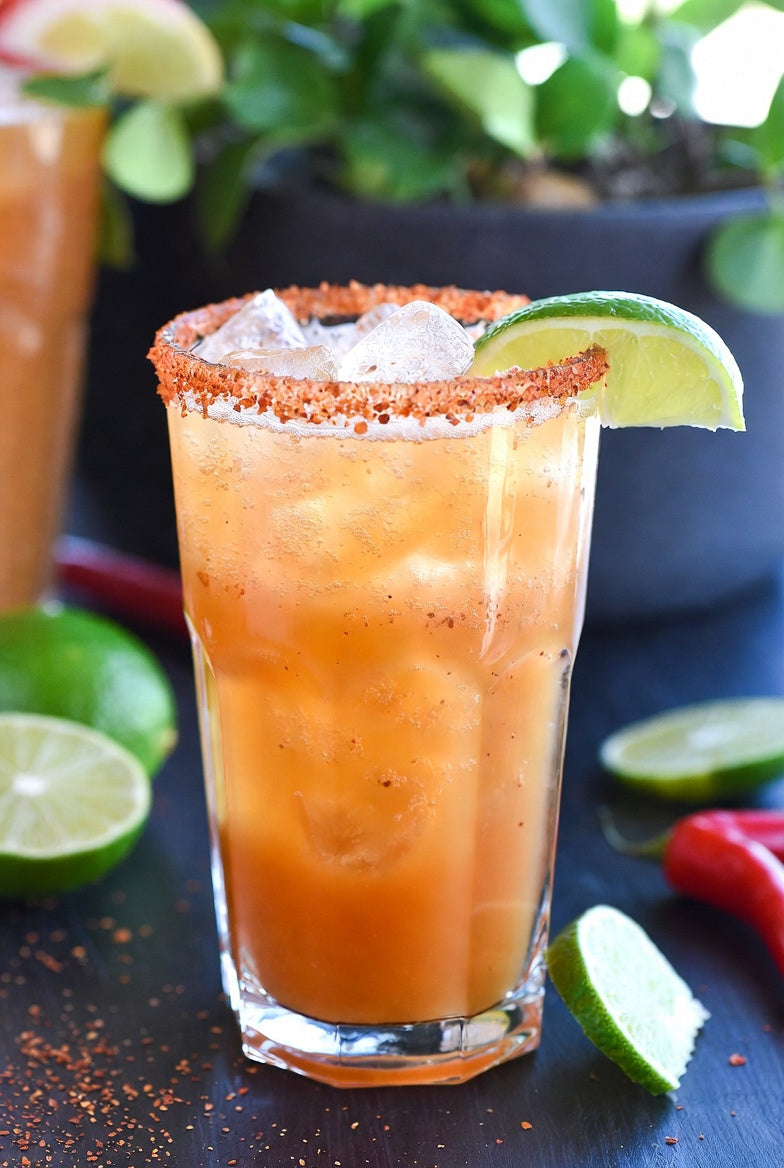
Cocktails are ratios. A classic Bloody Mary works because the acid, salt, umami, and spice are in balance with the base. A margarita works because the spirit, citrus, and sweetener hit specific proportions. Change those ratios even slightly and the drink shifts from balanced to too sweet, too sour, or too strong.
Free-pouring feels faster, but it's why your drinks taste different every time. A Japanese jigger adds about five seconds per ingredient and guarantees consistency.
This matters most when working with cocktail concentrates, where the ratio of concentrate to base determines whether the drink is well seasoned or overpowering. With a product like Stu's Bloody Mary concentrate, the recommended starting point is 1-2 oz of concentrate to 5-6 oz of base. A jigger lets you dial in your preference and repeat it exactly every time.
What to Look For When Buying a Japanese Jigger
Material matters. Look for 304 stainless steel. It resists rust, survives the dishwasher, and holds up to daily use. Avoid anything that doesn't specify the steel grade.
Check that the internal measurement lines are etched, not printed. Printed lines wear off. Etched lines last the life of the jigger.
A rolled lip reduces dripping when you pour. It's a small detail that makes a real difference in keeping your bar clean.
Look for a reinforced weld at the center where the two cones meet. Cheap jiggers crack at this joint. A double-welded connection won't separate even if you drop it.
Weight should feel balanced. Too light and the jigger feels flimsy. Too heavy and it slows you down. Most quality Japanese jiggers weigh around 2-3 oz.
Price ranges from about $8 for a basic stainless steel option to $25+ for copper or gold-plated finishes. The stainless steel version is all you need for home use.
Essential Bar Tools for Home Bartending
A Japanese jigger is the bar tool that makes the biggest difference for the least money. A few other basics round out a functional home bar setup.
A shaker (Boston or cobbler style) for anything that needs to be mixed with ice. A bar spoon for stirred drinks. A Hawthorne strainer if you're using a Boston shaker. A muddler for drinks that call for fresh herbs or fruit.
Beyond tools, the quality of your ingredients matters more than the size of your collection. A good base spirit, fresh citrus, and a versatile savory drink enhancer or botanical syrup will take you further than a cabinet full of rarely used bottles.
If you're building a home bar from scratch, our mixology kits include everything you need for a complete Bloody Mary bar setup, including two handcrafted rim salts and ghost pepper hot drops for heat control.
The Bottom Line
A Japanese jigger costs less than one round of drinks at a bar and lasts for years. It's the fastest way to make your home cocktails taste consistently better. The narrow design, internal measurements, and ergonomic grip make it the standard for a reason.
Measure your pours and your drinks come out the same every time.
Japanese Jigger FAQ
What is a Japanese jigger?
A Japanese jigger is a tall, narrow, double-sided stainless steel measuring tool used to pour exact amounts of liquid when making cocktails. One side typically holds 2 oz and the other holds 1 oz, with internal lines etched for partial measurements.
Why use a Japanese jigger?
Its tall, narrow profile makes it more accurate than a wide-mouth classic jigger, because a small overpour adds less volume. It's the style most professional bartenders use, and it gives home bartenders consistent, balanced drinks without guessing.
What sizes do Japanese jiggers come in?
A Japanese jigger is usually 2 oz on one side and 1 oz on the other, with internal etched lines at intervals such as 1/4 oz, 1/2 oz, 3/4 oz, 1 1/4 oz, 1 1/2 oz, and 1 3/4 oz, so you can measure nearly any amount a recipe calls for.
What should I look for when buying a Japanese jigger?
Look for 304 stainless steel, etched (not printed) measurement lines, a rolled lip to reduce dripping, and a reinforced weld where the two cones meet. A balanced weight of around 2-3 oz feels best in the hand.
How do you use a Japanese jigger?
Hold it between your index and middle fingers with your palm up, position it over your shaker, and pour until the liquid forms a slight dome (meniscus) above the rim for a full measurement, or to the internal etched line for partial pours. Pour thinnest liquids first.

Leave a comment
This site is protected by hCaptcha and the hCaptcha Privacy Policy and Terms of Service apply.