
How to Salt a Rim
How to Salt a Rim
The rim is the first flavor you taste before the drink even touches your tongue. Done right, it sharpens the cocktail, adds texture, and sets the tone for everything that follows. Done wrong, it's a patchy afterthought that falls into the drink and throws off the balance.
Whether you're rimming a Bloody Mary, a margarita, or something more creative, the technique is simple. The details are what separate a clean, even coat from a mess.

Two Rim Salts Worth the Shelf Space
Key Lime is celery salt with real key lime and a little Aleppo pepper, and it works on a margarita as well as a Bloody Mary. Sweet Corn is dehydrated sweet corn, celery salt, and a little seafood seasoning. $8 each, about 40 rims per bottle.
Shop Stu's Rim SaltsWhy the Rim Matters
Salt does more than add saltiness. It changes how you perceive the drink.
It sharpens flavors. Salt intensifies acidity and spice, making lime brighter in margaritas and tomato bolder in Bloody Marys.
It balances sweetness. A sweet cocktail can become heavy without contrast. A salted rim cuts through sugar and keeps each sip fresh.
It adds texture. That crunch against the smoothness of the drink keeps your palate engaged from the first sip to the last.
It signals care. A well-rimmed glass tells your guest this drink was built with attention, not just poured.
Think of it like the char on a steak or the crust on sourdough. You might not consciously notice it, but without it, the whole thing feels incomplete.
The Basic Method
Start with a clean, dry glass.
Run a lime wedge, lemon wedge, or pickle brine around the outer rim. It should be tacky but not dripping. You only want moisture on the outside edge, not dripping down into the glass where it will dissolve the salt.
Pour your salt onto a small plate or shallow dish. Press the glass gently into the salt at a slight angle, rolling it so the edge is evenly coated. Lift it out and tap lightly to remove clumps.
That's it. Fill with your cocktail, garnish, and serve.
One tip: Only coat the outer half of the rim. If salt covers the inside edge, every sip pulls salt into the drink and throws off the seasoning. The half-rim approach also gives your guest the option to sip from the salted or unsalted side.
How to Get Salt to Stick to the Rim
If your rim keeps falling off, the problem is usually one of three things:
Not enough moisture. A dry rim won't hold anything. Make sure your citrus wedge or brine leaves a visible film of moisture around the glass.
Wrong salt texture. Kosher salt and coarse sea salt grip the glass best. Fine table salt melts too fast. Large flaky salt looks beautiful but tends to slide off in chunks.
Too much pressure. Pressing the glass into the salt too hard scrapes it off instead of letting it stick. Gentle pressure with a slight twist gives you the most even coat.
Pro move: Chill your glasses ahead of time. A cold surface grabs salt better and keeps it from melting.
Margarita Rims vs. Bloody Mary Rims
These are two very different approaches.
Margarita rims are about simplicity. Clean, coarse salt or sea salt that cuts into tequila's sharpness and lets the lime come through. It's bright and minimal. Kosher salt works perfectly here.
Bloody Mary rims are an opportunity. With all the layers already in the drink (pickle brine, spice, tomato, umami), the rim should join the chorus, not whisper from the background. That's why blended salts with additional flavors work so well. Celery salt echoes the garnish. Smoked chili salt adds depth.
Our rim salt collection includes salts designed specifically for cocktails, including our sweet corn rimmer, key lime rimmer, and celery salt. They're ground to the right texture for adhesion and blended to complement specific drink profiles.
How to Make a Sugar Rim
The technique is the same as salt. Moisten the rim with citrus juice (lemon works best with sugar), then dip into fine sugar. The citrus balances sweetness and prevents clumping.
For extra flavor, mix in cinnamon, nutmeg, or fresh citrus zest. The oils from the zest release as you sip, turning the rim into an aromatic accent.
Superfine sugar gives you a smooth, almost glittery look. Works well with champagne cocktails and lighter drinks.
Raw sugar adds crunch and a hint of molasses depth. Better for darker spirits and fall cocktails.
Honey or simple syrup instead of citrus creates a glossy, candy-like finish that holds up longer. This works well for dessert cocktails or drinks served at parties where glasses sit for a while before being picked up.
Rim Flavors and Why They Work
Here are the combinations that work best and why.
Kosher salt. Clean, mineral, and sharp. The foundation rim. It highlights tequila's edges and balances lime's acidity in margaritas. The all-purpose option.
Pickle brine + salt. Dip the rim in pickle brine first, then into salt. The flavor ties directly into a Bloody Mary's DNA: vinegar, garlic, and dill. It's not just a rim; it's part of the drink.
Smoked sea salt. Adds the depth of char and barbecue. Makes tomato-based drinks taste roasted and savory. Pairs especially well with our Smoked Jalapeño concentrate and bacon garnishes.
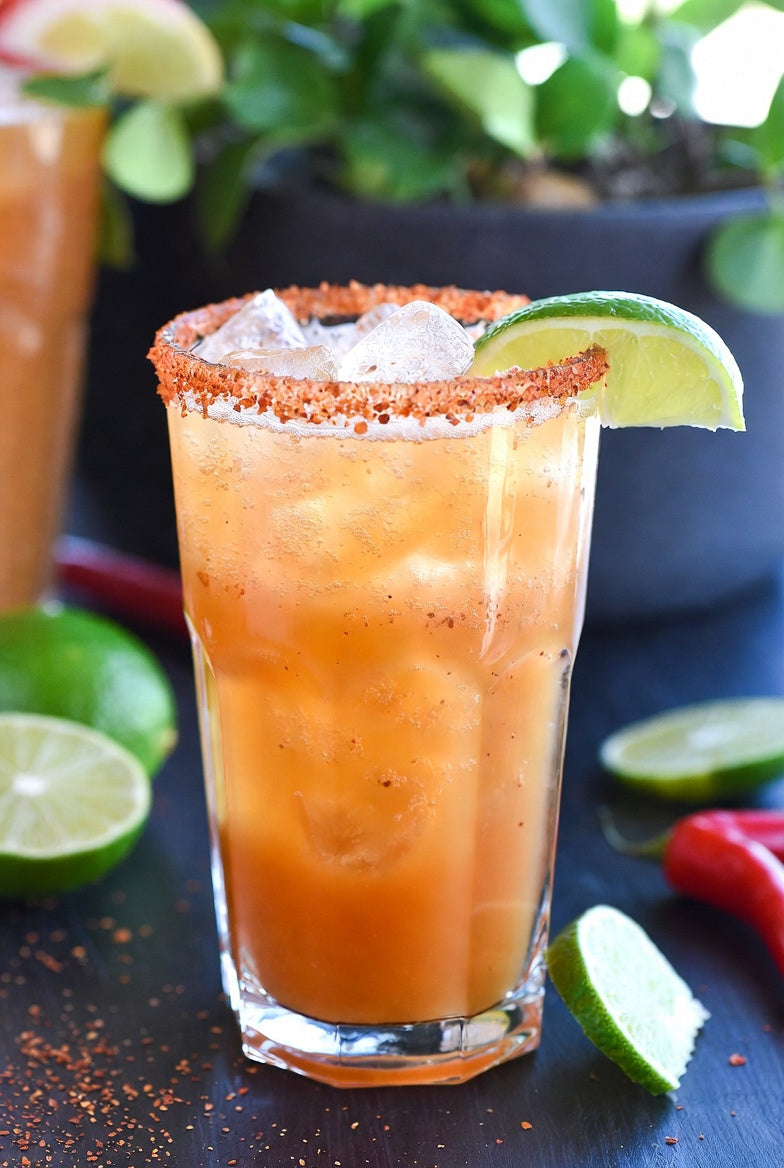
Chili powder + salt. The heat on the rim sets the stage for the spice inside the cocktail. Works beautifully with any Bloody Mary that has real heat, and it's essential for micheladas.
Celery salt. The classic Bloody Mary rim. Fresh, herbal, and a perfect echo of the garnish. It lifts the tomato base without overpowering it. We sell ours in a jar sized specifically for rimming, not the tiny spice aisle shaker.
Key lime rimmer. A savory-citrus blend that breaks the rules. Not quite margarita territory, not quite Bloody Mary territory. It sits in between and works with both.
Citrus sugar. Lemon zest mixed with sugar makes every sip burst with fragrance. Ideal for champagne cocktails, whiskey sours, or lighter brunch drinks.
Brown sugar and cinnamon. Warm and sweet. Works for apple cider cocktails, bourbon drinks, and fall/winter seasonal cocktails.
Tajín. Chili, lime, and salt in one blend. The default for Bloody Marias and any tequila-based cocktail. You can also make your own version by mixing chili powder, lime zest, and fine salt.
Everything bagel seasoning. Sounds odd, works surprisingly well on a Bloody Mary. The sesame, garlic, onion, and salt blend adds crunch and savory depth.
Common Mistakes
Coating the inside of the rim. Salt should only be on the outside edge. If it gets inside, it dissolves into the drink and oversalts it.
Using the wrong salt for the drink. Fine table salt on a Bloody Mary disappears too fast. Huge flaky finishing salt on a margarita slides off. Match the texture to the cocktail.
Not enough moisture. If the salt won't stick, you didn't use enough citrus or brine on the rim. It should feel tacky.
Dipping too deep. The salt rim should be a thin band on the edge, not a quarter-inch coating that overwhelms the glass.
Forgetting the half-rim option. Not every guest wants salt. Rimming half the glass gives them the choice.
Pairing Rims with Concentrates
Because our concentrates are seasoning-forward (not diluted with tomato juice), the rim becomes especially important. It's the first flavor that meets the second flavor, and when they align, the drink feels intentional.
Recommended pairings:
Classic concentrate + celery salt or pickle brine salt. Traditional and clean.
Smoked Jalapeño concentrate + smoked sea salt or chili powder salt. Smoke meets smoke.
Jamaican Jerk concentrate + Key Lime Rimmer or Tajín. The citrus brightness cuts through the allspice and scotch bonnet heat.
Browse the full rim salt collection to find your match. For the complete Bloody Mary experience, our kits bundle concentrates with rim salts and Ghost Pepper Hot Drops.
For more on building drinks from scratch, explore the Bloody Mary & Savory Drinks guide or learn how cocktail concentrates work as a platform for creative drink-making.
Leave a comment
This site is protected by hCaptcha and the hCaptcha Privacy Policy and Terms of Service apply.