Home Bartender Set: The Ultimate Guide

There’s a moment every good host faces: the first time you try to mix a real cocktail at home…and realize you’re missing half the tools to do it right. You’re shaking in a mason jar, measuring with a shot glass from a souvenir shop, and wondering why your drink tastes…off.

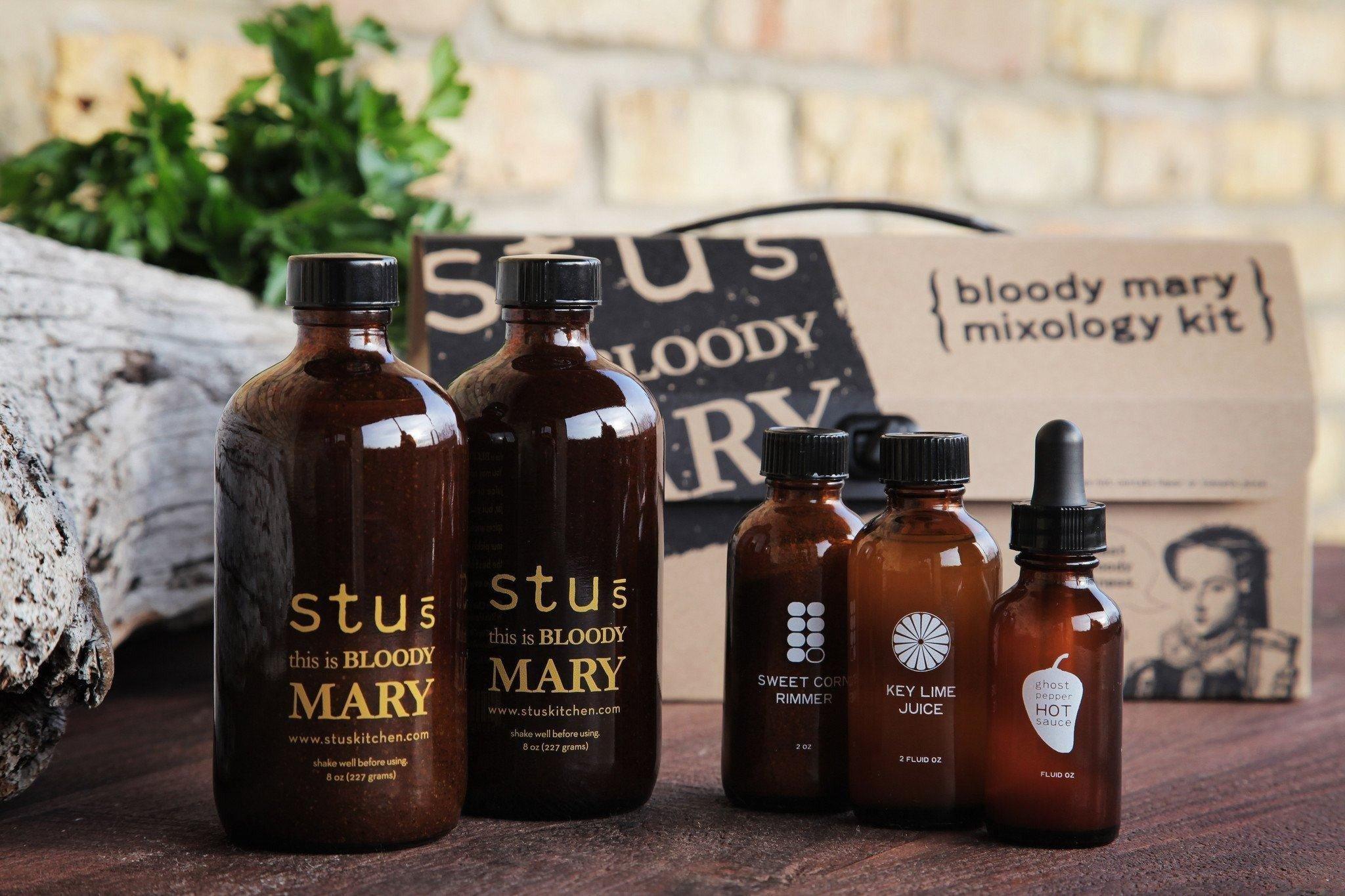
At Stu’s Kitchen, we believe in better rituals. That means no plastic red cups, no shortcuts, and definitely no unnecessary gadgets cluttering your counter. Whether you’re mixing up Bloody Marys with Stu’s Bloody Mary Concentrate or stirring an Old Fashioned, the right bartender set turns your kitchen into a bar worth toasting.

This guide walks you through every essential tool you’ll need for your home bartendet set. We go into what each tool and item does, why it matters, and which ones you can skip. By the end, you’ll have a lean, functional setup that feels professional without pretending you own a speakeasy.

This is a best setup for your home. If you’re looking for a full guide on pro bartender tools, CLICK HERE.


1. Cocktail Shaker

What it is: The workhorse of any bar. A two-piece or three-piece container used to shake cocktails like martinis, margaritas, and (of course) Stu’s Bloody Marys.

Why you need it: Shaking chills, aerates, and blends flavors fast — especially anything with juice, syrup, or eggs. A proper shaker seals tight and doesn’t leak tomato juice all over your counter.

Types to know:

  • Boston Shaker: Two metal tins that fit snugly together. Pros love it because it seals tight and comes apart easily with a tap.
  • Cobbler Shaker: A 3-piece design (tin, built-in strainer, and cap). Easier for beginners, but can stick if over-shaken.

Stu’s Pick: Go stainless steel — no glass, no fuss. And always test your seal before the shake.


2. Mixing Glass

What it is: A sturdy glass for stirred cocktails like Negronis or Old Fashioneds.

Why you need it: Some drinks don’t need to be shaken — they just need to chill and dilute slightly without clouding. A mixing glass keeps it smooth, precise, and ritualistic.

Pro Tip: If you’re not ready to splurge, a heavy rocks glass works. Just make sure it’s thick enough to handle ice stirring.


3. Bar Spoon

What it is: A long, spiraled spoon designed to stir drinks in tall glasses or mixing glasses.

Why you need it: The spiral shaft helps the spoon glide smoothly through liquid, creating controlled dilution and temperature.

Skip the cheap ones: Go for a balanced stainless steel spoon with a twisted handle. It’ll make you look — and stir — like you know what you’re doing.


4. Jigger

What it is: A dual-sided measuring tool for liquid ingredients.

Why you need it: Precision is everything. A “splash” might sound fun until you accidentally pour two ounces of vodka into a delicate cocktail.

Sizes that matter:

  • 1 oz on one side
  • ½ oz or ¾ oz on the other

Stu’s Rule: Measure every pour. Ritual is about intention, not guesswork.


5. Strainer

What it is: A small metal sieve that keeps ice, fruit, and herbs from ending up in your glass.

Types to know:

  • Hawthorne Strainer: The one with the coiled spring — perfect for Boston shakers.
  • Fine Mesh Strainer: Catches smaller pulp or spice particles (great for Bloody Marys with horseradish or pepper).

Why you need it: Clarity and texture. Nothing ruins a good cocktail like chunks of ice floating on top.


6. Muddler

What it is: A small pestle used to crush ingredients like herbs, citrus, and fruit.

Why you need it: A proper muddler releases oils and aromas that elevate cocktails from basic to “who made this?”

Best materials: Wood looks good but absorbs flavors; stainless steel with a rubber tip is cleaner and lasts longer.

Stu’s Use Case: Muddle cucumber and dill before adding Stu’s Bloody Mary Concentrate — it’s an instant garden brunch vibe.


7. Citrus Juicer or Reamer

What it is: A handheld press or reamer to extract juice from lemons, limes, and oranges.

Why you need it: Fresh juice beats bottled every time. Period. Even one ounce of fresh lime can transform a cocktail.

Bartender Tip: Roll citrus before cutting to loosen juices. Press, don’t crush — bitterness hides in the peel.

Stu’s Note: For brunches, keep both lemon and lime on hand. Bloody Marys love a little acidity lift.


8. Peeler or Zester

What it is: A sharp tool to remove strips of zest or create citrus garnishes.

Why you need it: Aroma is half the experience. A twist of lemon oil over a drink adds instant elevation.

Bonus Use: Use for thin cucumber ribbons or a celery twist for your next Bloody Mary masterpiece.


9. Ice Mold or Tray

What it is: A way to make clear, slow-melting ice cubes.

Why you need it: Ice is an ingredient, not an afterthought. Cloudy, crumbly cubes melt too fast and water down your drink.

Types to try:

  • Large cube mold: Ideal for Old Fashioneds.
  • Spheres: Chill cocktails evenly with minimal dilution.
  • Crushed ice: Best for tiki or summer drinks.

DIY Hack: Boil filtered water before freezing — it helps make ice clearer.


10. Bottle Opener & Corkscrew

What it is: Two small but essential tools: one for beer, one for wine.

Why you need it: Someone always asks for “just a beer” at your cocktail night. Be ready.

Stu’s Advice: Keep a sturdy combo opener on-hand, not a novelty keychain one from college. You’re better than that.


11. Pour Spouts

What it is: Metal or silicone spouts that fit into liquor bottles for smoother, more consistent pours.

Why you need it: Cleaner, more controlled flow — no over-pouring. Also makes your bar look legit.

Stu’s Tip: Rinse after each use, especially if you use flavored syrups or oils.


12. Mixing Pitcher or Carafe

What it is: A larger vessel for batching cocktails.

Why you need it: When hosting brunch, no one wants to shake 12 drinks. Pre-mix a large batch of Stu’s Bloody Marys, refrigerate, and pour as guests arrive.

Ratio reminder: 1 oz Stu’s Concentrate + 5–6 oz tomato juice + 1 oz vodka. Stir, don’t shake. Garnish bar optional, but encouraged.


13. Glassware (The Essentials Only)

Why it matters: The glass changes how a drink smells, feels, and even tastes.

Start with these:

  • Rocks Glass: Short, heavy, multipurpose.
  • Highball Glass: For Bloody Marys, mojitos, and spritzers.
  • Coupe or Martini Glass: For stirred or shaken classics.

Stu’s Style: Keep it classic. Don’t overbuy specialty glassware that just collects dust.


14. Garnish Tools: Tweezers, Picks, and Rimmers

What they are: Small, optional tools that make your drinks photo-ready.

Why you need them: Ritual isn’t just taste — it’s presentation.

Must-haves:

  • Cocktail Picks: For olives, bacon, pickles, or shrimp in your Bloody Mary.
  • Rimmer Dish: For Stu’s Bloody Mary Rim Salt — a simple way to upgrade every pour.

Pro Move: Wet the rim with lemon or pickle brine, then dip into Stu’s salt blend. It’s an instant flavor bomb.


15. Bar Mat or Towel

What it is: A simple rubber mat or microfiber towel to keep your station clean.

Why you need it: Every great ritual has cleanup built in. Keep spills under control and tools dry.

Skip the branded ones: Go black or clear. Function beats flash.


Building Your Home Bartender Set: What to Buy First

If you’re just starting, here’s the home bartender set no-BS version of what to buy right away versus what can wait.

PriorityMust-HavesNice-to-Haves
StarterShaker, Jigger, Strainer, Bar SpoonMuddler, Citrus Juicer
IntermediateMixing Glass, Ice Mold, Pour SpoutsGarnish Tweezers, Fine Mesh Strainer
Pro HostGlassware Variety, Bar MatMixing Pitcher, Peeler/Zester

Common FAQs About A Home Bartender Set

1. Do I need an expensive set?
No. Focus on quality materials (stainless steel, heavy glass) and skip anything “novelty.” A $60–$100 investment can last decades.

2. Should I buy a pre-made kit or individual pieces?
If you’re starting from zero, a full kit is fine — just make sure it includes a Boston shaker, Hawthorne strainer, and double-sided jigger. If you already have a few tools, buy quality replacements individually.

3. What tools do most people skip but later regret?
A good juicer and a proper strainer. Once you start using them, you’ll never go back.

4. What tools do people buy but never use?
Flame torches, decorative atomizers, and gimmick tools. Unless you’re opening a bar, keep it simple.

5. How should I store my tools?
Dry everything immediately after washing. Keep metal tools upright in a bar caddy or wooden stand. Avoid leaving anything wet or touching acidic ingredients (they’ll corrode).

6. Can I use household items as substitutes?
Sure — for now. A mason jar works as a shaker, a small mesh sieve as a strainer. But once you start building real cocktails, proper tools make all the difference.


Stu’s Ritual: The Home Bar Setup

Here’s what a solid home bar setup looks like — no fluff, no gimmicks:

  • A clean counter or bar cart (wood or stainless steel looks sharp).
  • Tools are organized in a tray or stand.
  • A cutting board and sharp knife for citrus and garnishes.
  • A small trash bowl for used fruit, salt, and herbs.
  • Stu’s Bloody Mary Concentrate ready on deck, chilled and ready for brunch service.

Ritual is about repetition. The more you mix, the better it gets. Keep your tools visible — they’ll remind you to use them.


Final Pour: Make It a Ritual

A home bartender set isn’t about owning fancy tools. It’s about elevating the everyday.

When you measure instead of eyeball, shake instead of stir, and rim your glass with intention — your kitchen becomes a place where people linger a little longer.

That’s the heart of what we build at Stu’s Kitchen: better drinks, made with better habits.

So go ahead. Build your home bartender set. Invite some friends. Mix something real.

Because brunch isn’t just about the Bloody Mary — it’s about the ritual behind it.