

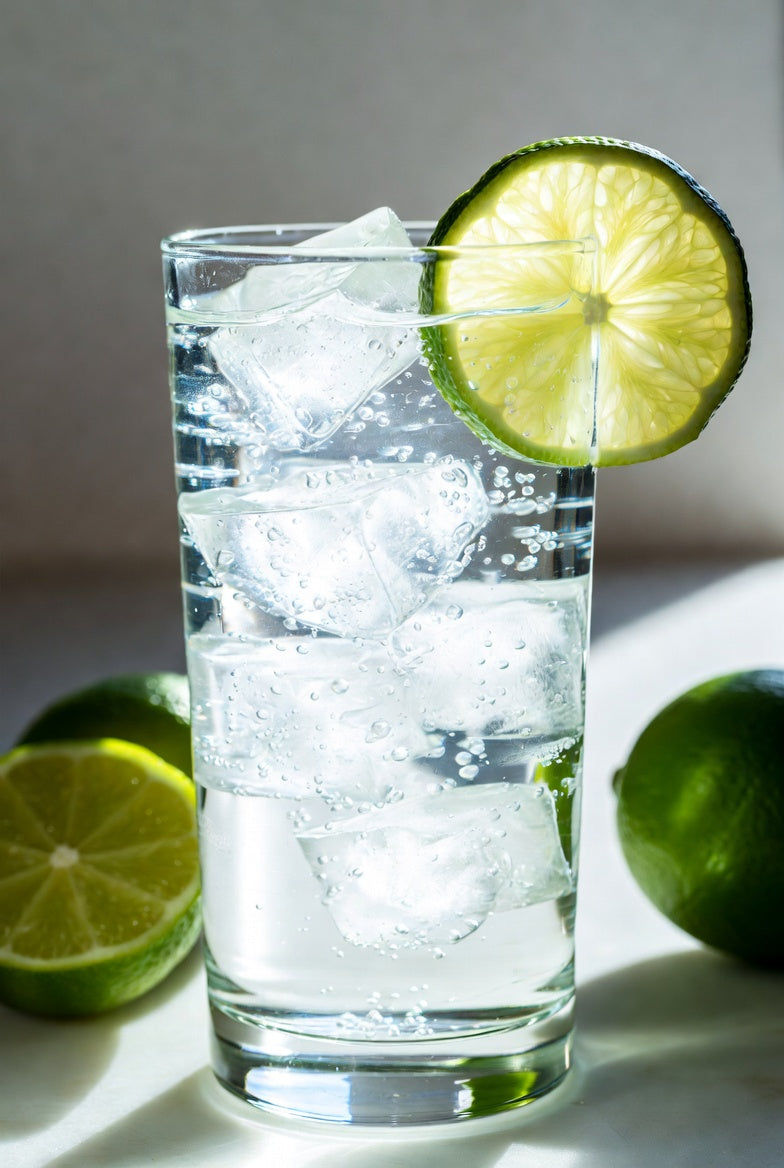
Tequila and Tonic: Why It Works Better Than Most People Think
The tequila and tonic gets overlooked. People reach for the Margarita or the Gin and Tonic instead. But as a two-ingredient highball, the tequila and tonic is genuinely good: bright, a little bitter, lower in sugar than almost any other tequila drink, and easy to make well.
The key word there is "well." Most people who try it and don't like it made it with cheap tequila and grocery-store tonic water. The cheap tequila tastes harsh without lime and triple sec to mask it. The commercial tonic is too sweet, which flattens the whole drink. Fix those two things and you get a much better drink.
The Classic Tequila and Tonic Recipe
Ingredients (one serving):
- 2 oz silver (blanco) tequila
- 4 oz tonic water, well chilled
- Squeeze of fresh lime
- Ice
- Lime wedge to garnish
Method: Fill a highball glass with ice. Add tequila, then tonic water. Squeeze in a wedge of fresh lime and drop it in. Stir once gently and serve immediately.
That's the baseline. Simple, refreshing, and about 130 calories depending on the tonic you use. No shaker needed, no simple syrup, no citrus prep beyond a lime wedge.
The lime is not optional. Tequila and tonic without lime tastes flat and slightly medicinal. A proper squeeze of fresh lime ties the quinine bitterness of the tonic to the citrus notes in the tequila and makes the whole drink taste intentional.
Tequila Type Matters More Than Most Recipes Admit
Most tequila and tonic recipes say "use any tequila." That's technically true and practically unhelpful. The three main categories produce very different drinks.
Blanco (silver) tequila is the right choice for a tonic drink. Unaged or minimally aged, blanco tequila has a clean, bright agave character with citrus and herbal notes that pair naturally with the quinine bitterness of tonic water. The lime notes that come through in a good blanco are exactly what tonic draws out. Espolon Blanco, Patron Silver, and Olmeca Altos Plata are all solid mid-range options.
Reposado tequila (aged 2 to 12 months in oak) adds vanilla, caramel, and wood notes to the drink. It is smoother and less sharp than blanco, which makes the drink more approachable for people who find blanco too forward. The tradeoff is that the oak softens the citrus and herbal character that makes tequila an interesting tonic pairing. Worth trying if you prefer a more mellow drink.
Añejo tequila (aged 1 to 3 years) is too complex and expensive for a tonic drink. The oak aging introduces flavors that compete with the tonic rather than complementing it. Save añejo for sipping. A tequila and tonic should let the agave character come through, and that character is most present in blanco.
One hard rule: use 100% agave tequila. Mixto tequila (which can contain up to 49% non-agave sugars) tastes harsh and metallic in a highball where there is nothing to hide it. Look for "100% agave" or "100% de agave" on the label. This is the single most important upgrade you can make to the drink.
The Tonic Syrup Version: Better Drink, Less Sugar
The standard tequila and tonic has one consistent problem: commercial tonic water is too sweet. Most bottled and canned tonics contain 20 to 25 grams of sugar per serving, which overwhelms the agave character of the tequila and turns a potentially complex drink into something closer to lightly flavored soda.
A tonic syrup fixes this. Instead of pre-mixed tonic water, you use a concentrated syrup made with real cinchona bark (the source of quinine), citrus peel, and botanicals, then add your own seltzer. The result has more botanical complexity, far less sugar (around 6 grams per serving with Jo's Original Tonic Syrup), and a noticeably cleaner finish.
Jo's Tonics developed this recipe specifically around silver tequila and Original Tonic Syrup:
Tequila Tonic with Jo's Tonic Syrup:
- 2 oz silver tequila
- 1 oz Jo's Original Tonic Syrup
- 3 oz seltzer water
- Ice
Build over ice in a highball glass. The tonic syrup goes in first, then the tequila, then the seltzer. Stir gently once. No lime needed, though a squeeze of fresh lime is always welcome if you want it.
This version tastes clearly better than the canned tonic one.
The lime notes in silver tequila come through clearly against the less-sweet tonic base, and the botanical complexity in the syrup adds a layer that commercial tonic water cannot match. This is the version to make for someone who thinks they don't like tequila drinks. Find Jo's Original Tonic Syrup in our tonic syrups collection.

Try the Tonic Syrup Version
Real cinchona bark and citrus peel instead of 20-plus grams of sugar in a can. About 6 grams a serving, and the agave actually comes through.
Shop Jo's TonicsTequila and Tonic Variations
Spicy Tequila Tonic
Add 2 to 3 thin slices of fresh jalapeño to the glass before building the drink. Press them gently against the ice rather than muddling. The pepper gives a bite that works with the quinine bitterness, similar to how jalapeño adds flavor to a Margarita but without the sweetness. Use blanco tequila only. Añejo with jalapeño is too busy. A salted rim using our Key Lime Rimmer adds a citrus contrast that ties the spice and bitterness together.
Grapefruit Tequila Tonic
Add 1 oz of fresh grapefruit juice to the base recipe and garnish with a grapefruit wedge instead of lime. Grapefruit has a similar bitter-citrus profile to tonic water, which doubles down on the bitterness in a way that fans of the drink will appreciate. This version is closer to a Paloma in character, lighter and more approachable for guests who want something familiar.
Cucumber Tequila Tonic
Add 3 thin cucumber slices to the glass before building the drink. Press lightly. Cucumber's cool, green character pairs well with the herbal notes in blanco tequila and softens the quinine bitterness slightly. A good choice when you want a tequila and tonic that feels lighter and less assertive.
Mocktail Tequila Tonic
Use a non-alcoholic spirit in place of tequila. Lyre's American Malt or Seedlip Spice both work in this format. With Jo's tonic syrup and seltzer instead of commercial tonic water, the non-alcoholic version is genuinely low in sugar and botanical enough to drink alongside the regular version without feeling like a consolation prize.
Tequila and Tonic vs. Related Drinks
Tequila and Tonic vs. Ranch Water: Ranch Water uses seltzer or Topo Chico instead of tonic water, which makes it drier and more neutral. Ranch Water is about the tequila. Tequila and tonic is about the interplay between tequila and quinine bitterness. Ranch Water is more refreshing in hot weather. Tequila and tonic has more complexity.
Tequila and Tonic vs. Margarita: A Margarita uses lime juice, triple sec, and often a sweetener alongside tequila, which adds significant sugar and calories (typically 200 to 300 per drink). A tequila and tonic is lighter, less sweet, and faster to make. If you find Margaritas too sweet or too strong, a tequila and tonic is the natural next step.
Tequila and Tonic vs. Gin and Tonic: The gin and tonic leads with juniper and botanical aromatics. Tequila and tonic leads with agave, citrus, and herbal notes. Both use tonic's bitterness as the structural element. The drinks are more similar than different, and anyone who enjoys one should try the other.
FAQ
Does tequila go well with tonic water?
Yes. Blanco tequila's citrus and herbal notes pair naturally with tonic water's quinine bitterness. The combination is lighter and lower in sugar than a Margarita, with a complexity that canned tonic water alone tends to undercut. A tonic syrup and seltzer combination brings out the lime notes in silver tequila more clearly than commercial tonic.
What tequila is best for a tonic drink?
Blanco (silver) tequila is the best choice. Its clean agave character and citrus notes complement tonic water without competing with it. Use 100% agave tequila only. Mixto tequila tastes harsh and metallic in a highball.
What is the difference between tequila tonic and Ranch Water?
Ranch Water uses plain sparkling water or Topo Chico instead of tonic water. It is drier and more neutral. A tequila and tonic has the distinctive quinine bitterness from the tonic, which adds complexity that Ranch Water doesn't have.
Can you make a low-sugar tequila and tonic?
Yes. Use a tonic syrup instead of commercial tonic water and add your own seltzer. Jo's Original Tonic Syrup has about 6 grams of sugar per serving compared to 20 to 25 grams in most commercial tonic waters. The botanical flavor is also more complex, which makes for a better drink overall.
Is tequila and tonic low in calories?
A standard tequila and tonic with 2 oz blanco tequila and 4 oz commercial tonic water runs approximately 130 to 150 calories. Made with tonic syrup and seltzer instead of commercial tonic, the calorie count drops to around 100 to 110, making it one of the lighter tequila drinks available.
Leave a comment
This site is protected by hCaptcha and the hCaptcha Privacy Policy and Terms of Service apply.