
Mezcal and Tonic
Most mezcal cocktails ask you to fight the smoke. You dilute it with citrus, sweeten it into submission, or pair it with strong flavors that hold their own against it. A mezcal and tonic does the opposite. It lets the smoke be the point, and builds the drink around it instead of hiding it.
The result is something that does not fit neatly into any season. It is light and sparkling enough to drink on a warm evening but grounded and slightly brooding in a way that makes it work in cooler weather too. Refreshing and comforting at the same time, which is harder to pull off than it sounds.
The reason it works is that mezcal and tonic water share a structural similarity: both are complex and slightly bitter. Commercial tonic water's quinine bitterness does not clash with mezcal's smoke. It amplifies it, then gets out of the way. Add a sprig of fresh rosemary and the herbal, piney aroma connects the smoke to the botanical bitterness in a way that makes the whole drink feel intentional rather than assembled.
The Classic Mezcal and Tonic Recipe
Ingredients (one serving):
- 2 oz mezcal (joven recommended)
- 4 oz tonic water, well chilled
- Fresh rosemary sprig
- Ice
- Optional: squeeze of lime or grapefruit
Method: Fill a highball glass with ice. Add mezcal, then tonic water. Slap a sprig of fresh rosemary against your palm once to release its oils and lay it across the top of the glass. Serve immediately.
The rosemary slap matters. Bruising the rosemary releases the aromatic oils that carry through every sip. A rosemary sprig dropped in without this step is decoration. Activated rosemary is a functional garnish that changes the aromatic profile of the drink from the first sniff.
The Tonic Syrup Version: The Recipe Worth Making
The standard mezcal and tonic has the same problem as the tequila and tonic: commercial tonic water carries 20 to 25 grams of sugar per serving, which softens and sweetens everything it touches. On a spirit as complex as mezcal, that sweetness costs you nuance you paid for.
Jo's Tonics developed a mezcal recipe built around Original Tonic Syrup specifically. The "Smoky Desire" uses a tonic syrup base with seltzer instead of pre-mixed canned tonic, which keeps the sugar low (around 6 grams per serving) and lets the botanical complexity of the syrup do work alongside the mezcal rather than getting drowned out by sweetness.
Smoky Desire:
- 2 oz Ilegal Joven Mezcal
- 1 oz Jo's Original Tonic Syrup
- 3 oz seltzer or club soda
- Ice
- Rosemary sprig garnish
Build over ice in a highball glass. Add tonic syrup first, then mezcal, then seltzer. Slap a rosemary sprig and rest it on the rim or lay it across the top. No shaker, no citrus prep, nothing to squeeze. Start to finish in under two minutes.
The syrup-and-seltzer format gives you control over carbonation level that canned tonic doesn't. Use 3 oz seltzer for a lighter, more effervescent drink. Pull back to 2 oz if you want it denser and the smoke more forward. The ratio is yours to adjust. Find Jo's Original Tonic Syrup in our tonic syrups collection.
Which Mezcal to Use
Mezcal varies more dramatically between bottles than almost any other spirit category. The agave variety, region, production method, and distiller all affect flavor in ways that matter in a simple highball. A few guidelines:
Joven mezcal is the right starting point for a tonic drink. Joven means unaged or minimally aged, which preserves the agave character and smoke without adding oak, vanilla, or caramel on top. Ilegal Joven is a solid choice: accessible smoke, citrus brightness, and a clean finish that doesn't overwhelm the botanical notes in the tonic. Del Maguey Vida is another widely available joven with slightly more earthy, fruity complexity. Either works well.
Reposado mezcal (aged 2 to 12 months) softens the smoke and adds oak character, which can work in a tonic context if you prefer a more mellow drink. The smoke is still present but more integrated. Worth trying if straight joven mezcal feels too assertive.
Añejo mezcal is too complex and expensive for a highball. The extended aging introduces flavors that compete with the tonic rather than pairing with it. Save it for sipping.
Smoke level matters. Mezcal smokiness varies widely by producer. Brands like Putamadre and Banhez tend toward lighter smoke. Vago, Wahaka, and some Del Maguey expressions are smokier. For a tonic drink, mid-level smoke is the target: present and characterful but not so dominant that it shuts out the botanical bitterness of the tonic. If you only drink lightly smoked mezcal, this recipe still works. If you drink heavily smoked mezcal, consider pulling the mezcal back to 1.5 oz and letting the tonic carry more of the drink.
One rule applies regardless of which bottle you choose: use 100% agave mezcal. Any bottle labeled otherwise contains added sugars that taste harsh in a simple highball.
Why Rosemary Works Here
Most cocktail garnishes are aesthetic. Rosemary in a mezcal tonic earns its place on flavor grounds.
Rosemary's aromatic oils are high in compounds that sit in the same herbal-piney family as the botanicals in tonic water, particularly the citrus peel and quinine. When you slap the sprig and set it on top of an ice-cold drink, the aromatics release slowly into every sip. The result bridges the smoke in the mezcal and the bitterness in the tonic in a way that makes the drink feel cohesive rather than like two ingredients that happen to be in the same glass.
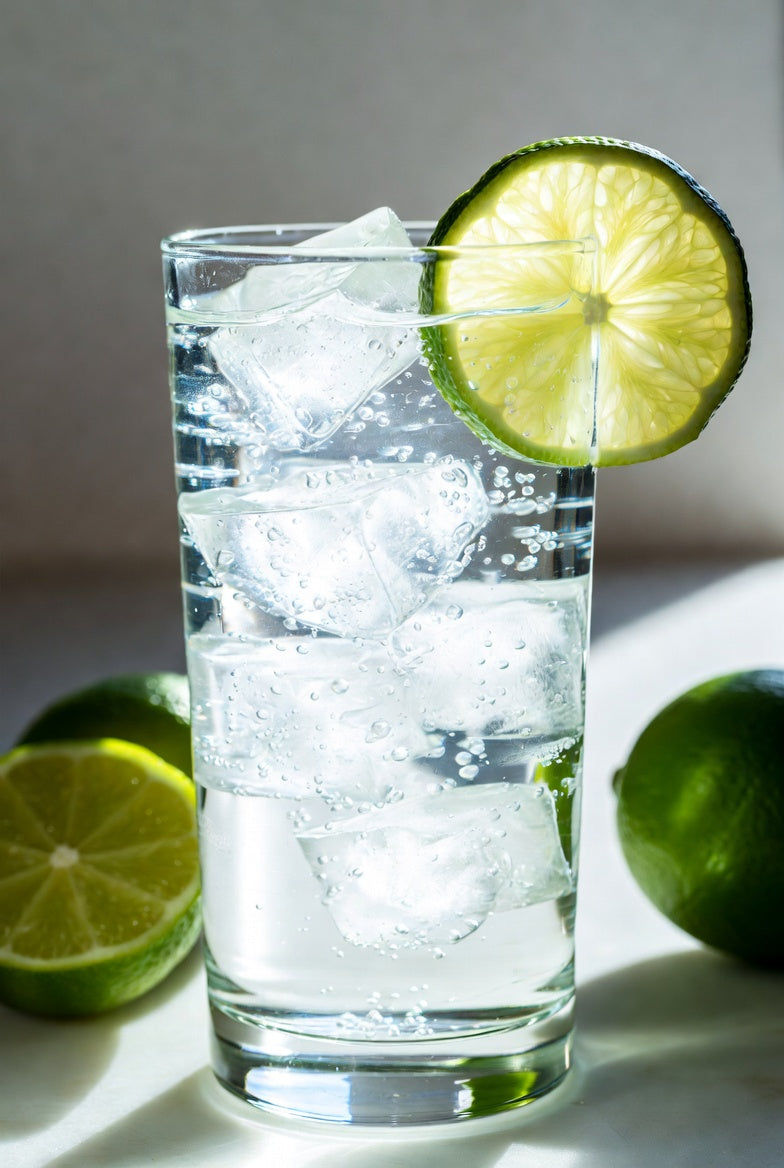
A lime wedge still works in this drink and freshens it up if you want something brighter. But rosemary is the garnish that actually adds to what is already happening, rather than cutting through it.
Variations
Grapefruit Mezcal Tonic
Add 1 oz fresh grapefruit juice alongside the mezcal before topping with tonic. Grapefruit's bitterness aligns with the tonic's quinine character and its citrus oils complement rather than compete with mezcal's smoke. Garnish with a grapefruit peel expressed over the top. This version is slightly more complex and approachable for guests who want a little more citrus structure.
Spicy Mezcal Tonic
Add 2 thin slices of fresh jalapeño to the glass before building the drink, pressing them gently against the ice. Smoke and chile heat have a long history together in Mexican cooking and the same logic applies here. The spice extends the finish and works with the quinine bitterness rather than against it. Do not muddle the jalapeño or the heat overwhelms everything else.
Cucumber Mezcal Tonic
Add 3 thin slices of fresh cucumber before building. Cucumber's cool, green character softens the smoke slightly and adds freshness that complements the rosemary. A good choice for guests who want mezcal's complexity without the smoke as the dominant note.
Smoked Salt Rim
Rim the glass with smoked salt before building the drink. The salt mirrors the smoke in the mezcal and enhances the sweetness in the tonic. Our Celery Salt Rimmer works well here too, adding a savory, herbal edge that pairs with the rosemary garnish in an unexpected way.
Non-Alcoholic Version
Use a non-alcoholic smoky spirit in place of mezcal. Lyre's American Malt has enough character to hold up to tonic syrup. With Jo's Original Tonic Syrup and seltzer instead of commercial tonic, the non-alcoholic version stays genuinely low in sugar and complex enough to drink alongside the original without feeling like a substitute.
Mezcal Tonic vs. Related Drinks
Mezcal Tonic vs. Tequila Tonic: Both are agave-spirit highballs, but they produce very different drinks. Tequila and tonic leads with citrus and clean agave. Mezcal and tonic leads with smoke and earthiness. If you enjoy the tequila version, the mezcal version is the next step for when you want something with more weight and complexity.
Mezcal Tonic vs. Mezcal Margarita: A Margarita uses lime juice, triple sec, and often agave syrup alongside mezcal. It is brighter, more acidic, and considerably sweeter. A mezcal tonic is lower in sugar, lower in calories (around 130 to 150 per serving with commercial tonic, closer to 100 with tonic syrup), and quicker to make. The Margarita showcases tequila's citrus character. The tonic drink showcases mezcal's smoke.
Mezcal Tonic vs. Gin and Tonic: The gin and tonic is botanical-forward with juniper at the center. The mezcal tonic is smoke-forward with agave at the center. Both use tonic's bitterness as the structural backbone. Anyone who drinks gin tonics and wants to try mezcal should start here, as the format is familiar even when the spirit is not.
Mezcal Tonic vs. Spritz: Spritzes are wine-based, lower in alcohol, and lighter. A mezcal tonic is spirit-forward and more assertive. The two drinks suit different occasions: spritz for before-dinner aperitivo, mezcal tonic for when you want something with more presence.
FAQ
Does mezcal go well with tonic water?
Yes. Mezcal's smoke and earthiness pair naturally with tonic water's quinine bitterness. The two flavors reinforce rather than compete with each other, which is why a mezcal tonic works without much additional flavoring. A squeeze of citrus or an aromatic garnish like rosemary adds complexity, but the core combination holds up on its own.
What is the best mezcal for a tonic drink?
Joven (unaged) mezcal is the right choice for a tonic drink. It preserves the agave character and smoke without adding oak and vanilla from barrel aging. Ilegal Joven and Del Maguey Vida are both widely available and work well. Use 100% agave mezcal only.
Why use a rosemary garnish?
Rosemary's aromatic oils sit in the same herbal family as the botanicals in tonic water. Slapping the sprig to release those oils before garnishing means every sip picks up the rosemary aroma, which bridges the smoke in the mezcal and the bitterness in the tonic. It is a functional garnish, not just a visual one.
Is a mezcal tonic low in calories?
A standard mezcal tonic with 2 oz mezcal and 4 oz commercial tonic water runs approximately 130 to 150 calories. Made with Jo's Original Tonic Syrup and seltzer instead of commercial tonic, the calorie count drops to around 100 to 110, making it one of the lighter spirit-forward cocktails available.
What is the difference between mezcal and tequila in a tonic drink?
Tequila (blanco) is citrus-forward and clean. Mezcal is smoke-forward and earthy. A tequila tonic is bright and refreshing. A mezcal tonic is more complex and slightly brooding. Both work as highballs, but they suit different moods.
Leave a comment
This site is protected by hCaptcha and the hCaptcha Privacy Policy and Terms of Service apply.