
Olive Brine
Olive brine is the salty, tangy liquid that olives sit in during the curing process. You know it as the juice in the jar. Most people pour it down the drain. That's a mistake.
This stuff is one of the most underrated ingredients in your kitchen. It adds savory depth to cocktails (hello, dirty martini), works as a marinade for chicken, punches up salad dressings, and even does things for a Bloody Mary that you wouldn't expect. It's salty, slightly acidic, and packed with umami. All from a jar you already have in your fridge.
Here's everything you need to know about olive brine: what it actually is, how to use it, how to make your own, and why it belongs in far more drinks than just a martini.
What Is Olive Brine?
Olive brine is a solution of water, salt, and sometimes vinegar or lactic acid used to cure and preserve olives. During the curing process, the olives release their own oils and flavors into the liquid, creating something much more complex than simple salt water.
The brine you find in a jar of green olives is different from what you'd find in a jar of kalamatas. Green olive brine tends to be lighter, tangier, and more universally useful in cocktails. Kalamata brine runs deeper and more wine-like, with a richness that works better in cooking applications.
If you've ever heard someone order a "dirty martini," the "dirty" part is olive brine. That's what gives the drink its signature cloudy appearance and savory flavor. But olive brine has uses well beyond a single cocktail.
Olive Brine for Dirty Martinis
The dirty martini is the reason most people know about olive brine in the first place. The drink is simple. Gin or vodka, a splash of dry vermouth, and olive brine. Shaken or stirred with ice, strained into a chilled glass, garnished with olives.
The brine does two things. First, it softens the sharpness of the spirit, making the drink more approachable. Second, it adds a savory, almost umami quality that turns a standard martini into something more interesting.
How much olive brine in a dirty martini? This comes down to preference. A standard dirty martini uses about half an ounce. If you like it "filthy" (a real term, not just a brand name), go up to a full ounce. Some people go even further. There's no wrong answer, just your answer.
Here's a solid starting point:
- 2.5 oz gin or vodka
- 0.5 oz dry vermouth
- 0.5 oz olive brine
- Stir with ice for 30 seconds, strain into a chilled coupe or martini glass
- Garnish with 2-3 olives on a pick
The brine you choose matters. Straight from a jar of grocery store olives is fine for a casual drink, but if you're serious about it, look for brine that's been filtered and balanced specifically for cocktails. Brands like Filthy, Jack Rudy, Dirty Sue, and Fee Brothers all make dedicated cocktail olive brines that won't cloud your drink with pulp or hit you with inconsistent saltiness.
Or you can make your own.
How to Make Olive Brine at Home
Making olive brine from scratch is straightforward, and it gives you complete control over the salt level, acidity, and flavor. If you've ever been disappointed by how a jar's brine tastes in a cocktail, this is the fix.
Basic Olive Brine Recipe:
- 2 cups water
- 2 tablespoons kosher salt (not iodized table salt)
- 1 tablespoon white wine vinegar or a pinch of citric acid
- 1 cup pitted green olives (Castelvetrano or Spanish Queen work well)
Dissolve the salt in warm water, add the vinegar, and pour over the olives in a clean jar. Refrigerate for at least 48 hours. The longer it sits, the more flavor the brine picks up from the olives.
After a few days, strain the brine through cheesecloth or a fine mesh strainer. What you get is a clean, balanced brine that's ready for cocktails.
Want to go further? Some bartenders are adding ingredients to their brines to build more complexity. A clove of garlic, a strip of lemon peel, a sprig of rosemary. One bartender in Brooklyn adds a small amount of MSG to his brine for an extra umami punch. The options are wide open once you start making your own.
Best Olive Brine for Martinis
Not all olive brine works equally well in a cocktail. The brine from a jar of budget supermarket olives can be too salty, too vinegary, or just thin. For consistently good dirty martinis, here's what to look for.
What makes good cocktail brine:
- Filtered, so it doesn't cloud your drink with olive particles
- Balanced salt level that enhances without overwhelming
- Slight acidity for brightness
- Made from naturally cured olives, not chemically treated ones
The dedicated cocktail brines on the market are formulated with these qualities in mind. They're designed to play well with spirits rather than just preserve olives.
If you're making brine at home, taste it before adding it to a drink. It should taste pleasantly salty and olivey on its own. If it makes you wince, it's going to make your drink wince too.
Olive Brine Uses Beyond the Martini
Here's where it gets interesting. Olive brine is a savory cocktail ingredient that works in far more drinks than most people realize.
In Cocktails
Dirty Bloody Mary. Add a tablespoon of olive brine to your next Bloody Mary for an extra layer of salt and depth. It plays beautifully with Stu's Bloody Mary Concentrate, amplifying the savory spice with that briny edge. If you're building a Bloody Mary bar, set out a bottle of olive brine alongside your other customization options.

Build a Dirty Bloody Mary
A tablespoon of olive brine plus Stu's real spice blend and pickle brine gives you a savory, briny Bloody Mary that a plain mix can't touch. Pour a little less for mild, a little more for bold, and it comes out how you like it, no doctoring afterward.
Get Stu's Classic | $15Savory Martini Variations. Use olive brine with gin or vodka and get creative. Try it with a splash of clamato for a drink that sits somewhere between a dirty martini and a Bloody Caesar. Strange on paper. Surprisingly good in the glass.
Michelada Riff. A splash of olive brine in a michelada adds complexity to the already savory base. It bridges the gap between the beer and the seasoning, especially when you're working with a concentrate like Stu's that already brings a lot of flavor.
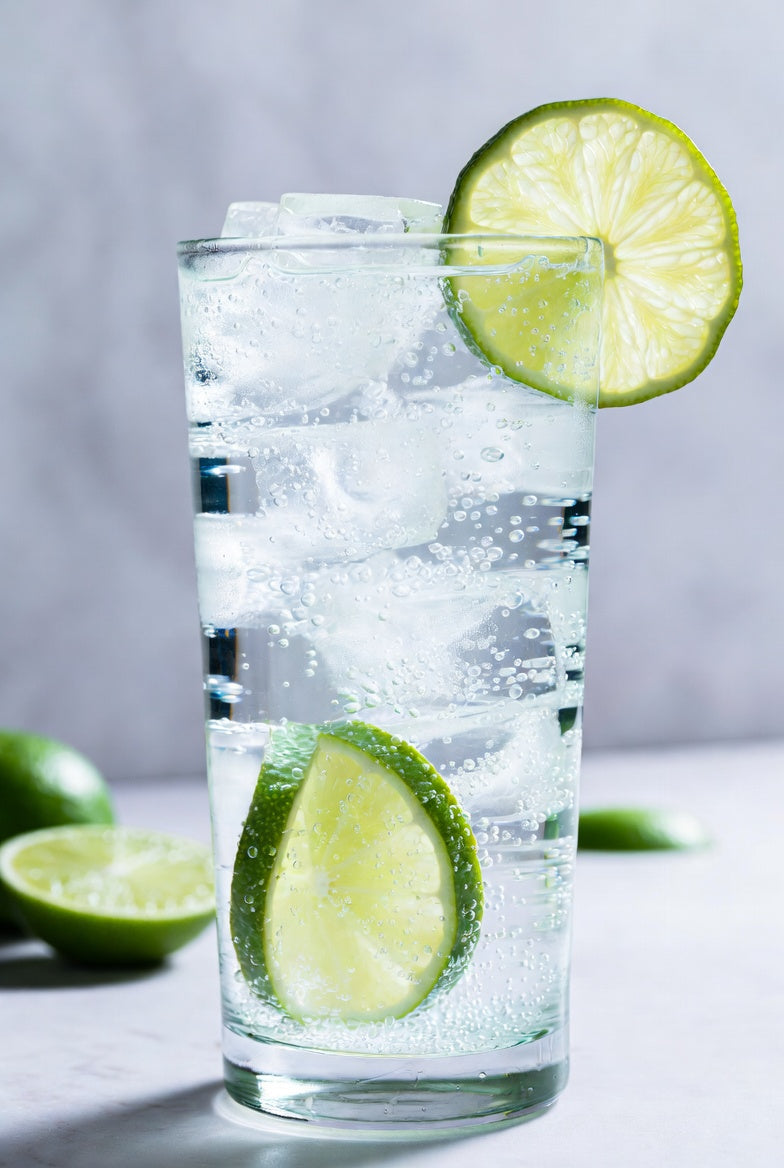
Zero-Proof Cocktails. Here's one most people miss. Olive brine works in mocktails too. Combine it with sparkling water, a squeeze of lemon, and a few drops of hot sauce for a savory, refreshing drink that doesn't need alcohol to feel complete. It's one of the simplest ways to add depth to a non-alcoholic drink without reaching for a spirit alternative.
In Cooking
Olive brine earns its keep in the kitchen just as much as the bar.
Marinades. Use olive brine as a base for chicken or pork marinades. The salt content starts the brining process while the acidity tenderizes the meat. Add olive oil, garlic, and fresh herbs for a Mediterranean-style marinade that comes together in seconds.
Salad Dressings. Replace the vinegar in a basic vinaigrette with olive brine. You get the acidity you need plus a savory undertone that makes a simple green salad feel more substantial.
Pasta and Grains. A splash of olive brine in the cooking water for pasta or rice adds subtle salinity. You can also stir a spoonful into hummus, bean dips, or grain bowls.
BBQ and Grilling. Cooking with Bloody Mary mix already crosses the line from drink to food ingredient. Olive brine does the same thing. Use it in a BBQ sauce or as a baste for grilled vegetables.
Does Olive Brine Go Bad?
Olive brine lasts a long time thanks to its high salt content. An unopened jar of olives (and its brine) is shelf stable for 1-2 years. Once opened, the brine should be refrigerated and will stay good for several months.
Signs that olive brine has gone off: it smells sour or fermented (beyond the normal tangy smell), it's developed mold on the surface, or the olives themselves have turned mushy or slimy.
If you've strained your brine into a separate container for cocktails, keep it refrigerated and use it within 2-3 weeks. Without the olives in it, it doesn't have the same preservation buffer.
The Connection Between Olive Brine and Savory Cocktails
If you look at what's happening in cocktail culture right now, savory drinks are having a moment. Dirty martinis are outselling classic martinis at most bars. Bloody Marys have been a brunch staple for decades. Micheladas are crossing over from Mexican restaurants to mainstream menus.
All of these drinks share something. They lean into salt, acid, and umami rather than sweetness. Olive brine is one of the purest expressions of that savory profile. For more drinks built on brine, salt, and umami, see our list of savory cocktails.
That's exactly the territory cocktail concentrates live in. A good Bloody Mary concentrate gives you that savory foundation. Olive brine is the kind of ingredient that layers on top of it, letting you customize your drink based on your mood and your palate.
It's why the idea of ritual over routine matters when it comes to drink-making. You're not just opening a bottle. You're building something, one ingredient at a time.
For more ways to build savory cocktails at home, see the full Bloody Mary and Savory Drinks guide.
FAQ
What is olive brine?
Olive brine is the salty liquid solution used to cure and preserve olives. It's made from water, salt, and sometimes vinegar or lactic acid. During the curing process, the olives infuse the liquid with their own oils and flavors, creating a savory, tangy brine used in cocktails and cooking.
Is olive brine the same as olive juice?
Functionally, yes. "Olive juice" and "olive brine" refer to the same liquid: the brine that olives are cured and stored in. Some bartenders and brands use "olive juice" because it sounds more appetizing, but there's no difference in the product.
How much olive brine goes in a dirty martini?
Start with half an ounce for a standard dirty martini. For an extra dirty version, use a full ounce. For a "filthy" martini, go up to 1.5 ounces. Adjust to your taste and remember that the brine's salt level varies by brand, so taste as you go.
Is olive brine good for you?
Olive brine contains electrolytes (sodium and potassium) and probiotics if the olives were naturally fermented. Some athletes drink it as a recovery aid, similar to pickle juice. However, it's high in sodium, so it shouldn't be consumed in large quantities, especially if you're watching your salt intake.
Can you buy olive brine by itself?
Yes. Several brands sell olive brine specifically for cocktails, including Filthy, Dirty Sue, Jack Rudy, Fee Brothers, and 1888. These are filtered and balanced for use in dirty martinis and other drinks. You can find them at liquor stores, specialty food shops, and online.
How long does olive brine last?
Unopened olive brine is shelf stable for 1-2 years. Once opened, refrigerate it and use within a few months. Homemade brine or brine separated from olives should be refrigerated and used within 2-3 weeks.
What can you do with leftover olive brine?
Don't pour it out. Use it in dirty martinis, add it to Bloody Marys, mix it into salad dressings, marinate chicken or pork, add it to hummus or bean dips, or use it as a base for savory cocktails. It's one of the most versatile leftover ingredients in your kitchen.
Leave a comment
This site is protected by hCaptcha and the hCaptcha Privacy Policy and Terms of Service apply.