
Best Non Alcoholic Whiskey & Bourbon: Zero Proof Alternatives Worth Trying
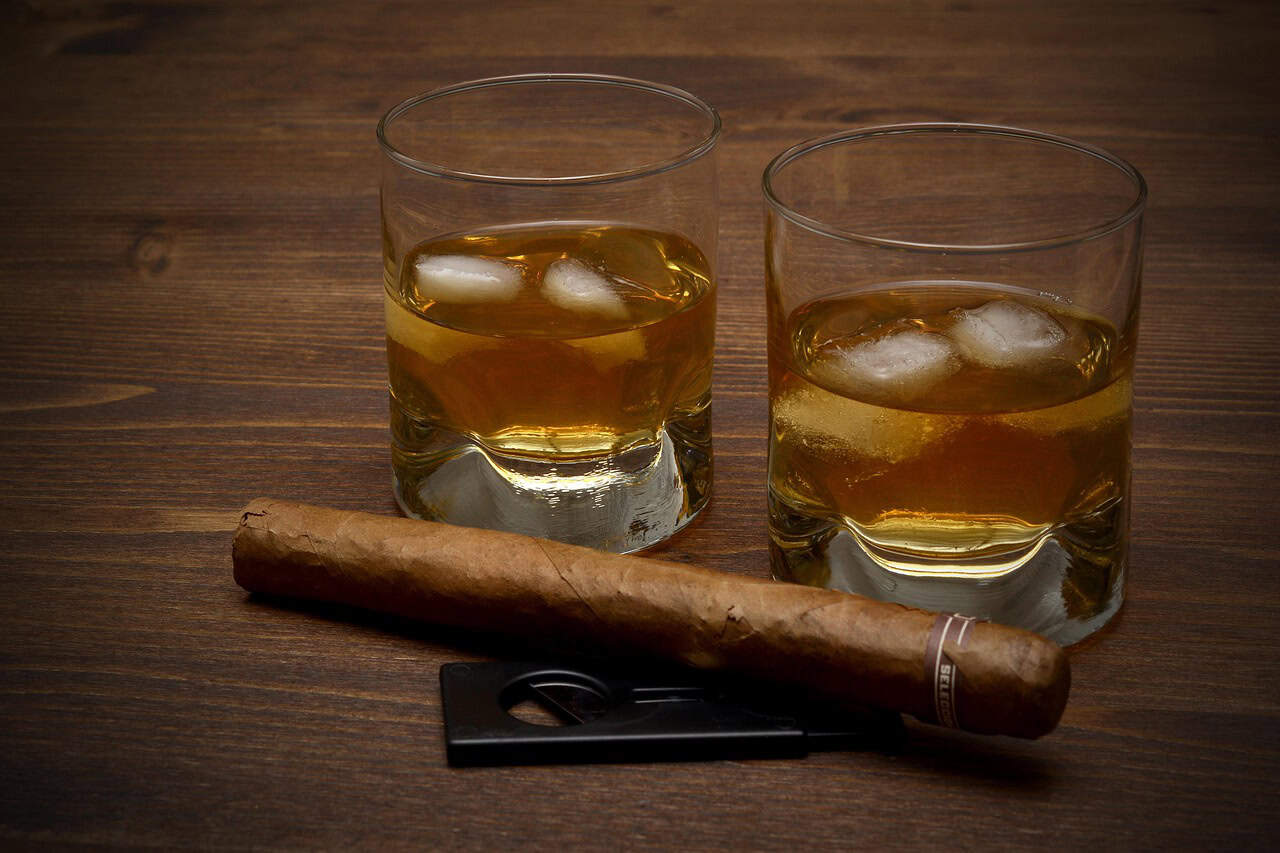
Non-alcoholic whiskey is not about skipping alcohol or checking a box. It is about keeping the ritual. The glassware. The ice. The slow pour. The moment where you pause before the first sip.
For a lot of people, zero proof spirits are not a downgrade from the real thing. They are a way to keep the experience while changing the outcome.
What has changed is expectation. People do not want sugary stand-ins or vague brown spirit substitutes anymore. They want something that actually drinks like whiskey. Smoke. Oak. Bitterness. Structure. That familiar backbone that holds a drink together, whether it is neat, on the rocks, or built into a cocktail.
What Is Non-Alcoholic Whiskey?
Non-alcoholic whiskey aims to replicate the flavor profile of traditional whiskey without the alcohol. It lets you make familiar whiskey cocktails like an old fashioned or a whiskey sour while staying alcohol free. The goal is to capture the character of whiskey in a zero proof format.
How It Is Made
Production varies by brand, but it generally comes down to one of three approaches.
Distillation and dealcoholization. Some brands start with actual whiskey, then strip the alcohol through vacuum distillation or reverse osmosis while holding on to the flavor compounds.
Botanical extraction. Others build the profile from scratch using botanical extracts that mimic whiskey's signature notes: oak, vanilla, caramel, and smoke.
Hybrid approaches. Some combine both, dealcoholizing a base spirit and then blending in extracted botanicals for depth.
Why People Choose Zero Proof Spirits
Common reasons include pregnancy, medication interactions, driving, fitness goals, sober curiosity, and simple preference. You do not need a reason. Sometimes you just want the ritual without the alcohol.
Best Non-Alcoholic Whiskey Brands
We do not make a whiskey alternative, so this list has no dog in the fight. These are the four worth your money.
Spiritless Kentucky 74
The standout for bourbon drinkers. Vanilla, caramel, and toasted oak with a hint of spice on the finish. It starts from a distilled spirit base, which gives it more authentic mouthfeel than botanical-only alternatives. Works neat over ice and in an old fashioned.
Ritual Zero Proof Whiskey Alternative
Built for the cocktail rather than the sipping glass. American oak, vanilla, and caramel with floral and smoky notes. It holds up when mixed, which is the harder test. Best in whiskey sours and highballs.
Monday Zero Alcohol Whiskey
Smoky, with oak and vanilla and a clean finish. More contemporary than a straight bourbon imitation. Versatile enough for cocktails or a simple mixer.
Lyre's American Malt
Vanilla, butterscotch, and toasted nuts with a honey finish. Lyre's builds complexity from natural flavors and essences. Good in mint juleps and bourbon smashes.
Zero Proof Whiskey Cocktails
Non-Alcoholic Old Fashioned
The old fashioned is the real test for any whiskey alternative because there is nowhere to hide.
- 2 oz non-alcoholic whiskey
- 1 sugar cube or 1/4 oz simple syrup
- 2 to 3 dashes Angostura bitters
- Orange peel
- Ice
Place the sugar cube in a rocks glass. Add bitters and a splash of water and muddle until dissolved. Add the whiskey alternative and a large ice cube. Stir briefly. Express the orange peel over the glass and drop it in.
Zero Proof Whiskey Sour
More forgiving than an old fashioned, because the citrus and sweetener carry the drink.
- 2 oz non-alcoholic whiskey
- 3/4 oz fresh lemon juice
- 1/2 oz simple syrup
- Egg white, optional, for foam
- Cherry and orange slice to garnish
Combine the whiskey alternative, lemon juice, and simple syrup in a shaker. If you are using egg white, dry shake first for 15 seconds without ice. Add ice and shake hard. Strain into a rocks glass over fresh ice.
Zero Proof Highball
Sometimes simplicity wins. A good highball shows off the spirit instead of masking it.
- 2 oz non-alcoholic whiskey
- 4 to 5 oz sparkling water or ginger ale
- Lemon twist
- Ice
Fill a highball glass with ice. Add the whiskey alternative and top with sparkling water. Stir once, gently. Garnish with a lemon twist.
Flavor Profiles, and What to Expect
Bourbon-style alternatives lean sweet: vanilla, caramel, and honey over toasted oak. Best where you would normally reach for bourbon.
Scotch-style alternatives lean into smoke and peat. Less common, but growing. Good if you prefer a drier profile.
Rye-style alternatives bring pepper, cinnamon, and baking spice. Good for Manhattan-style drinks.
American whiskey alternatives usually split the difference and work across several applications.
Building a Better Zero Proof Bar
The best alternatives succeed because they respect flavor. They are not sweet shortcuts. They aim for complexity, balance, and ritual.
A good zero proof bar does not stop at the brown spirit. Savory drinks, spice-forward mocktails, and brunch drinks deserve the same attention. That is why a seasoning-first approach matters. Starting with real seasoning instead of a pre-mixed base lets you build drinks that taste intentional, whether you are making an alcohol-free Bloody Mary or balancing out a sweeter zero proof spirit.
This also matters when you are hosting. Offering real alcohol-free options shows you thought about everyone at the table, not just the drinkers. The same logic applies to mocktails: a well-made alcohol-free drink should feel as deliberate as any cocktail.
Stock the Rest of the Bar
Zero-Proof Spirits
We do not make a whiskey alternative. We do make the gin, tequila, and vodka side of an alcohol-free bar, small batch in Nebraska and 0.0 percent across the line.
Shop Zero-Proof SpiritsHow to Choose Your Non-Alcoholic Whiskey
Intended use. Will you sip it neat, mix it, or both? Some alternatives do well in cocktails and fall flat straight. Kentucky 74 handles both.
Flavor priority. Bourbon sweetness, rye spice, or scotch smoke. Match the alternative to the whiskey style you already like.
Price. Most run $25 to $35 a bottle. Not cheap, though you are paying for the experience without the hangover.
Availability. Kentucky 74 and Ritual have good distribution. Smaller brands usually mean ordering online.
Frequently Asked Questions
What is zero proof whiskey?
Zero proof whiskey is a non-alcoholic spirit designed to taste like whiskey. Most contain less than 0.5 percent ABV, the legal threshold for non-alcoholic labeling. Some are 0.0 percent.
Does non-alcoholic whiskey taste like real whiskey?
The best options come close. They capture the oak, vanilla, and caramel that define whiskey. Alcohol also contributes mouthfeel and heat that cannot be fully replicated, so expect similar flavor with a different texture.
Can you get drunk on non-alcoholic whiskey?
No. Trace amounts under 0.5 percent ABV are roughly what you find in ripe fruit or fresh orange juice. You would need to drink an impossible quantity to feel anything.
Is non-alcoholic whiskey suitable for people in recovery?
That is a personal decision. Some people in recovery find zero proof spirits help them participate socially. Others find they trigger cravings. If you are in recovery, talk it through with your support system first.
What mixers work best with non-alcoholic whiskey?
Ginger ale, ginger beer, soda water, and cola all work. For cocktails, fresh citrus, quality bitters, and simple syrup help build complexity. The same mixers that work with regular whiskey generally work here.
How long does non-alcoholic whiskey last after opening?
Use it within one to two months for best flavor. Unlike spirits with alcohol, which keep more or less indefinitely once opened, zero proof alternatives degrade over time. Store in a cool, dark place.
Read next: Zero Proof Meaning | Alcohol Alternatives | Non-Alcoholic Tequila | Easy Mocktail Recipes | What Is a Cocktail Concentrate?

Leave a comment
This site is protected by hCaptcha and the hCaptcha Privacy Policy and Terms of Service apply.